Article Sidebar
Main Article Content
Abstract
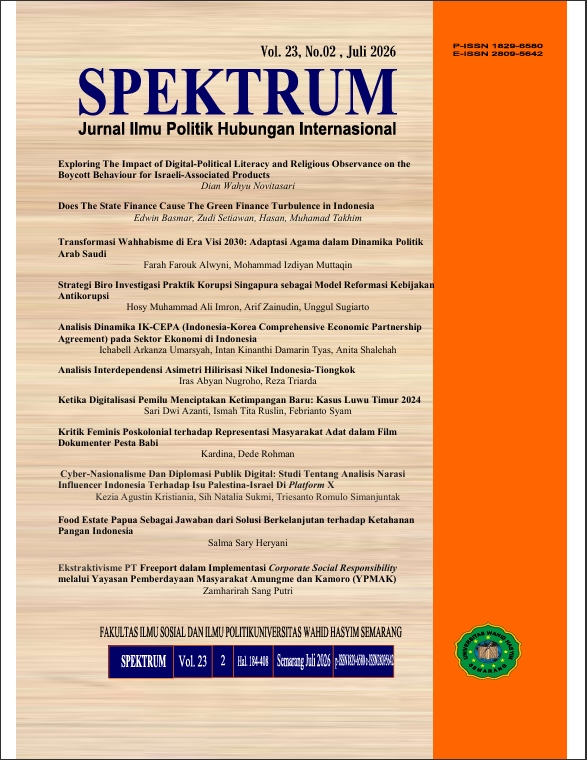
In recent years, the discourse about the Israel - Palestine conflict has adorned the various taglines on social media. It may elicit various responses and opinions across the global community. This study aims to explore how digital literacy (X1), political literacy(X2), and religious observance (Y) jointly shape boycott behaviour (Z) toward Israeli-associated products within a multidimensional literacy framework. It applies a multivariate quantitative analysis using SEM-PLS model covering the participation from 240 respondents in East Java, Indonesia. The findings of this study confirm that both digital literacy and political literacy exert positive and significant direct effects on boycott behaviour, while religious observance demonstrates a significant negative direct effect on boycott behaviour. However, interestingly, this research also found that religious observance plays a crucial indirect role by significantly mediating the relationships between digital literacy and boycott behaviour, as well as between political literacy and boycott behaviour. Our further analysis reveals that religiosity functions less as a direct behavioural driver and more as a moral interpretive mechanism that channels informational and political awareness into ethically framed consumer actions. The novelty of this research contributes to enriching the literature of consumer activism and sustainable civic engagement.
Keywords
Article Details

This work is licensed under a Creative Commons Attribution-ShareAlike 4.0 International License.
References
- Arinta, Y. N., & Mutmainah, S. (2023). Religious motivation and consumer boycotts: Enhancing global peace and moral justice. Inferensi: Jurnal Penelitian Sosial Keagamaan, 17(2), 261–280. https://doi.org/10.18326/infsl3.v17i2.261-280
- Benitez, J., Henseler, J., López, A., & Schuberth, F. (2020). How to perform and report an impactful analysis using partial least squares: Guidelines for confirmatory and explanatory IS research. Inf. Manag., 57, 103168. https://doi.org/10.1016/J.IM.2019.05.003.
- Bulya, & Izzati, S. (2024). Indonesia’s digital literacy as a challenge for democracy in the digital age. The Journal of Society and Media, 8(2), 640–661. https://doi.org/10.26740/jsm.v8n2.p 640-661
- Delli Carpini, M. X., & Keeter, S. (1996). What Americans know about politics and why it matters. Yale University Press.
- DeVries, B., & Monna, M. (2021). Faith, ethics, and marketplace behavior: How religiosity shapes consumer engagement. Journal of Consumer Culture, 21(3), pp. 410–429.
- Efremov, A. (2025). The psychology of faith and religious identity: How theology shapes worldview and self-perception. Pharos Journal of Theology, 106(3).
- Franke, G., & Sarstedt, M. (2019). Heuristics versus statistics in discriminant validity testing: a comparison of four procedures. Internet Res., 29, 430-447. https://doi.org/10.1108/INTR-12-2017-0515.
- Giugni, M., & Grasso, M. (Eds.). (2022). Political consumerism and lifestyle activism. In The Oxford Handbook of Political Participation. Oxford University Press. Chapter 25, pp.417-434. https://doi.org/10.1093/oxfordhb/9780198861126.013.25
- Guess, A. M., & Munger, K. (2022). Digital literacy and online political behavior. Political Science Research and Methods. https://doi.org/10.1017/psrm.2022.19
- Guess, A., Lerner, M., & Lyons, B. (2024). A digital media literacy intervention increases discernment between false and mainstream news content. Proceedings of the National Academy of Sciences, 117(12), 1920498117. https://doi.org/10.1073/pnas.1920498117
- Hair, J. F., Hult, G. T. M., Ringle, C. M., & Sarstedt, M. (2011). A primer on partial least squares structural equation modeling (PLS-SEM). Sage.
- Hair, J.F., Hult, G.T.M., Ringle, C.M. & Sarstedt, M. (2021). A Primer on Partial Least Squares Structural Equation Modeling (PLS-SEM) 4th Ed, Sage, Thousand Oaks, CA.
- Henseler, J., G. Hubona and P. Ray. (2016). Using PLS path modelling in new technology research: updated guidelines. Industrial Management & Data Systems 116(1): 2-20. Doi: https://doi. org/10.1108/IMDS-09-2015-0382
- Ives, C. D., Kidwell, J. H., Anderson, C. B., Arias-Arévalo, P., Gould, R. K., Kenter, J. O., & Murali, R. (2024). The role of religion in shaping the values of nature. Ecology and Society, 29 (2), 10. https://doi.org/10.5751/ES-15004-290210
- Kam, C. D., & Deichert, M. (2019). Boycotting, Buycotting, and the Psychology of Political Consumerism. The Journal of Politics, Vol.82, No.1. DOI: 10.1086/705922
- Kusmayadi, S. (2023). The power of belief: How ethnocentrism, religion, and brand importance shape boycott behavior and brand perceptions in Indonesia. Jurnal Ekonomi dan Dakwah, 9(1), 22–37. https://journal.uinmataram.ac.id/index.php/jed/article/view/ 11923
- Lestari, P., & Jazil, T. (2024). The role of religiosity, consumer animosity, and ethnocentrism in explaining boycott motivation. Journal of Islamic Economics and Finance Studies, 5(1), 134–152. https://doi.org/10.47700/jiefes.v5i1.7755
- Mady, K., Salaheldeen, M., Refaat, H., & Battour, M. (2025). The impact of social media on consumer boycotts: Mediating roles of animosity, behavioral control, and efficacy. Social Sciences & Humanities Open. https://doi.org/10.1016/j.ssaho.2025.102041
- Mascha, E. J., & Vetter, T. R. (2018). Significance, errors, power, and sample size: The blocking and tackling of statistics. Anesthesia & Analgesia, 126(2), 691–698. https://doi.org/10.1213/ANE. 0000000000002741
- Micheletti, M. (2003). Political virtue and shopping: Individuals, consumerism, and collective action. Palgrave Macmillan.
- Micheletti, M., Follesdal, A., & Stolle, D. (2020). Political Consumerism: Global Responsibility in Action. Cambridge University Press.
- Mulyono, H., & Rolando, B. (2025). Consumer boycott movements: Impact on brand reputation and business performance in the digital age. Multidisciplinary Reviews, 8(9). https://doi.org/10.31893/multirev.2025291
- Mutia, U, N. S., & Putri A. L. (2025). Psychological drivers of consumer boycott: Understanding emotional and social identity influences in Batam. Journal of Applied Business Administration, 9(1). https://doi.org/10.30871/jaba.v9i1.9152
- Ng, W. (2012). Can we teach digital natives digital literacy? Computers & Education, 59(3), 1065–1078. https://doi.org/10.1016/j.compedu.2012.04.016
- Novitasari, D. W. (2026). Analisis Pengaruh Literasi Digital terhadap Perilaku Boikot Produk dengan Literasi Politik Sebagai Variabel Mediator. Naskah Tesis – Program Magister Media dan Komunikasi, Departemen Komunikasi, Fakultas Ilmu Sosial dan Politik, Universitas Airlangga. Surabaya.
- Nwarihi, C. E., & Dey, B. (2023). Political brand communication and consumer purchasing decision: A study on how brands’ political engagement affects the consumer purchasing decision (Case of MTN Cameroon). International Journal of Marketing Studies, 15(2), 45–59.
- Parsons, M., Tong, Y., Valenti, S. C., Gorelik, V., & Bhatnagar, S. (2023). Reporting of participant demographics in clinical trials published in general radiology journals. Clinical Radiology. Vol. 51, Issue 1, pp.81-91. https://doi.org/10.1067/j.cpradiol.2023.08.010
- Pasryb, A. S., Munir, A. R., & Balele, A. B. (2024). The perspectives on consumer attitudes and actions: The impact of political and social factors on the pro-Israel products boycott movement. AMAR (Andalas Management Review), 8(2), 35–43. https://doi.org/10.25077/amar. 8.2.35-43.2024
- Utama, A. P. (2023). Dampak gerakan boikot produk Israel terhadap persepsi merek di kalangan konsumen Muslim: Analisis citra merek dan loyalitas pelanggan. Jurnal Ilmu Komunikasi dan Bisnis, 5(2), 115–128. https://doi.org/10.31002/jikb.v5i2.4381
- Widen R (2024) Digitalization and Media Consumption: Shaping the Future of Content Engagement. Global Media Journal, Vol.22, No.72.DOI: 10.36648/1550-7521.22.72.465
- Wisnusyah, M., Pramata, D., Suciati, M., & Budiono, B. (2025). Consumers’ meaning-making of the Starbucks boycott campaign in the context of the Israel-Palestine conflict. Communicatus: Jurnal Ilmu Komunikasi. https://doi.org/10.15575/cjik.v9i1.44903
References
Arinta, Y. N., & Mutmainah, S. (2023). Religious motivation and consumer boycotts: Enhancing global peace and moral justice. Inferensi: Jurnal Penelitian Sosial Keagamaan, 17(2), 261–280. https://doi.org/10.18326/infsl3.v17i2.261-280
Benitez, J., Henseler, J., López, A., & Schuberth, F. (2020). How to perform and report an impactful analysis using partial least squares: Guidelines for confirmatory and explanatory IS research. Inf. Manag., 57, 103168. https://doi.org/10.1016/J.IM.2019.05.003.
Bulya, & Izzati, S. (2024). Indonesia’s digital literacy as a challenge for democracy in the digital age. The Journal of Society and Media, 8(2), 640–661. https://doi.org/10.26740/jsm.v8n2.p 640-661
Delli Carpini, M. X., & Keeter, S. (1996). What Americans know about politics and why it matters. Yale University Press.
DeVries, B., & Monna, M. (2021). Faith, ethics, and marketplace behavior: How religiosity shapes consumer engagement. Journal of Consumer Culture, 21(3), pp. 410–429.
Efremov, A. (2025). The psychology of faith and religious identity: How theology shapes worldview and self-perception. Pharos Journal of Theology, 106(3).
Franke, G., & Sarstedt, M. (2019). Heuristics versus statistics in discriminant validity testing: a comparison of four procedures. Internet Res., 29, 430-447. https://doi.org/10.1108/INTR-12-2017-0515.
Giugni, M., & Grasso, M. (Eds.). (2022). Political consumerism and lifestyle activism. In The Oxford Handbook of Political Participation. Oxford University Press. Chapter 25, pp.417-434. https://doi.org/10.1093/oxfordhb/9780198861126.013.25
Guess, A. M., & Munger, K. (2022). Digital literacy and online political behavior. Political Science Research and Methods. https://doi.org/10.1017/psrm.2022.19
Guess, A., Lerner, M., & Lyons, B. (2024). A digital media literacy intervention increases discernment between false and mainstream news content. Proceedings of the National Academy of Sciences, 117(12), 1920498117. https://doi.org/10.1073/pnas.1920498117
Hair, J. F., Hult, G. T. M., Ringle, C. M., & Sarstedt, M. (2011). A primer on partial least squares structural equation modeling (PLS-SEM). Sage.
Hair, J.F., Hult, G.T.M., Ringle, C.M. & Sarstedt, M. (2021). A Primer on Partial Least Squares Structural Equation Modeling (PLS-SEM) 4th Ed, Sage, Thousand Oaks, CA.
Henseler, J., G. Hubona and P. Ray. (2016). Using PLS path modelling in new technology research: updated guidelines. Industrial Management & Data Systems 116(1): 2-20. Doi: https://doi. org/10.1108/IMDS-09-2015-0382
Ives, C. D., Kidwell, J. H., Anderson, C. B., Arias-Arévalo, P., Gould, R. K., Kenter, J. O., & Murali, R. (2024). The role of religion in shaping the values of nature. Ecology and Society, 29 (2), 10. https://doi.org/10.5751/ES-15004-290210
Kam, C. D., & Deichert, M. (2019). Boycotting, Buycotting, and the Psychology of Political Consumerism. The Journal of Politics, Vol.82, No.1. DOI: 10.1086/705922
Kusmayadi, S. (2023). The power of belief: How ethnocentrism, religion, and brand importance shape boycott behavior and brand perceptions in Indonesia. Jurnal Ekonomi dan Dakwah, 9(1), 22–37. https://journal.uinmataram.ac.id/index.php/jed/article/view/ 11923
Lestari, P., & Jazil, T. (2024). The role of religiosity, consumer animosity, and ethnocentrism in explaining boycott motivation. Journal of Islamic Economics and Finance Studies, 5(1), 134–152. https://doi.org/10.47700/jiefes.v5i1.7755
Mady, K., Salaheldeen, M., Refaat, H., & Battour, M. (2025). The impact of social media on consumer boycotts: Mediating roles of animosity, behavioral control, and efficacy. Social Sciences & Humanities Open. https://doi.org/10.1016/j.ssaho.2025.102041
Mascha, E. J., & Vetter, T. R. (2018). Significance, errors, power, and sample size: The blocking and tackling of statistics. Anesthesia & Analgesia, 126(2), 691–698. https://doi.org/10.1213/ANE. 0000000000002741
Micheletti, M. (2003). Political virtue and shopping: Individuals, consumerism, and collective action. Palgrave Macmillan.
Micheletti, M., Follesdal, A., & Stolle, D. (2020). Political Consumerism: Global Responsibility in Action. Cambridge University Press.
Mulyono, H., & Rolando, B. (2025). Consumer boycott movements: Impact on brand reputation and business performance in the digital age. Multidisciplinary Reviews, 8(9). https://doi.org/10.31893/multirev.2025291
Mutia, U, N. S., & Putri A. L. (2025). Psychological drivers of consumer boycott: Understanding emotional and social identity influences in Batam. Journal of Applied Business Administration, 9(1). https://doi.org/10.30871/jaba.v9i1.9152
Ng, W. (2012). Can we teach digital natives digital literacy? Computers & Education, 59(3), 1065–1078. https://doi.org/10.1016/j.compedu.2012.04.016
Novitasari, D. W. (2026). Analisis Pengaruh Literasi Digital terhadap Perilaku Boikot Produk dengan Literasi Politik Sebagai Variabel Mediator. Naskah Tesis – Program Magister Media dan Komunikasi, Departemen Komunikasi, Fakultas Ilmu Sosial dan Politik, Universitas Airlangga. Surabaya.
Nwarihi, C. E., & Dey, B. (2023). Political brand communication and consumer purchasing decision: A study on how brands’ political engagement affects the consumer purchasing decision (Case of MTN Cameroon). International Journal of Marketing Studies, 15(2), 45–59.
Parsons, M., Tong, Y., Valenti, S. C., Gorelik, V., & Bhatnagar, S. (2023). Reporting of participant demographics in clinical trials published in general radiology journals. Clinical Radiology. Vol. 51, Issue 1, pp.81-91. https://doi.org/10.1067/j.cpradiol.2023.08.010
Pasryb, A. S., Munir, A. R., & Balele, A. B. (2024). The perspectives on consumer attitudes and actions: The impact of political and social factors on the pro-Israel products boycott movement. AMAR (Andalas Management Review), 8(2), 35–43. https://doi.org/10.25077/amar. 8.2.35-43.2024
Utama, A. P. (2023). Dampak gerakan boikot produk Israel terhadap persepsi merek di kalangan konsumen Muslim: Analisis citra merek dan loyalitas pelanggan. Jurnal Ilmu Komunikasi dan Bisnis, 5(2), 115–128. https://doi.org/10.31002/jikb.v5i2.4381
Widen R (2024) Digitalization and Media Consumption: Shaping the Future of Content Engagement. Global Media Journal, Vol.22, No.72.DOI: 10.36648/1550-7521.22.72.465
Wisnusyah, M., Pramata, D., Suciati, M., & Budiono, B. (2025). Consumers’ meaning-making of the Starbucks boycott campaign in the context of the Israel-Palestine conflict. Communicatus: Jurnal Ilmu Komunikasi. https://doi.org/10.15575/cjik.v9i1.44903