Article Sidebar
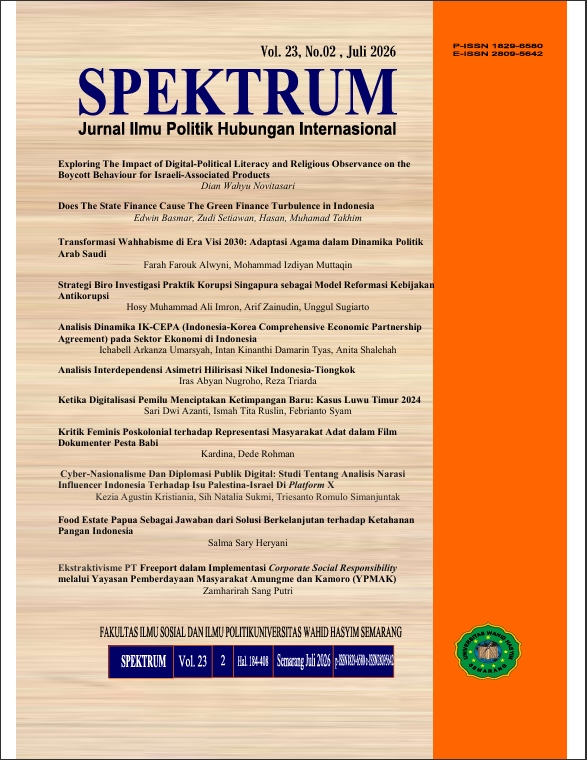
Main Article Content
Abstract
The transformation of Wahhabism in Saudi Arabia within the framework of Vision 2030 reflects a fundamental shift in the relationship between religion, state, and society. Although Wahhabism has historically served as the ideological foundation of the Saudi kingdom since the 18th century, the modernization policies promoted by Crown Prince Mohammed bin Salman have systematically pushed for a reformulation of this doctrine. This study adopts a qualitative approach using literature review methods to analyze the state's strategies in reconstructing Wahhabism and their socio-political implications. The primary focus includes the redefinition of religious discourse, co-optation of the clerical establishment, and the deconstruction of Wahhabi symbols in public spaces. Moreover, the study highlights the impact of these changes on the legitimacy of political power, the role of clerics, and the relationship between religion and the state. Utilizing institutional and discourse analysis frameworks, this research finds that the state is not only reshaping internal ideological structures but is also repositioning religion as a tool for development and social control. The findings indicate a shift from religion-based legitimacy to performance-based legitimacy, alongside the marginalization of independent clerics and the institutionalization of a more pragmatic, state-defined version of Islam.
Keywords
Article Details

This work is licensed under a Creative Commons Attribution-ShareAlike 4.0 International License.
References
- Al-Rasheed, M. (2010). A History of Saudi Arabia (2nd ed.). Cambridge University Press. https://doi.org/10.1017/CBO9780511993510
- Al-Rasheed, M. (2020). The Son King: Reform and Repression in Saudi Arabia. Oxford University Press. https://global.oup.com/academic/product/the-son-king-9780190070617
- Al-Saud, A. (2021). Reframing Wahhabism: Religious Discourse and State Power in Saudi Arabia. Journal of Arabian Studies, 11(2), 173–189. https://doi.org/10.1080/21534764.2021.1962047
- Alhussein, E. (2019). Social Change in Saudi Arabia under Vision 2030. https://agsiw.org/social-change-in-saudi-arabia-under-vision-2030/
- Aprila, D., Andriani, W., & Ananto, R. P. (2023). Financial Management of Nagari Owned Enterprises (BUMNAG) and Its Impact on Community Welfare. Jurnal Akuntansi Bisnis, 16(2), 210–225. https://doi.org/10.30813/jab.v16i2.4461
- Assyaukanie, L. (2021). Religion, State Control, and Soft Desecularization in the Muslim World. Journal of Indonesian Islam, 15(2), 273–296. https://doi.org/10.15642/JIIS.2021.15.2.273-296
- Commins, D. (2006). The Wahhabi Mission and Saudi Arabia. I.B. Tauris. https://www.bloomsbury.com/uk/wahhabi-mission-and-saudi-arabia-9781845118098
- Derendinger, J., & Frank, R. (2023). Religion as Statecraft: Saudi Arabia’s Reconfiguration of Islamic Authority under Vision 2030. Politics and Religion, 16(3), 512–534. https://doi.org/10.1017/S1755048322000479
- Gause III, F. G. (2016). Saudi Arabia in the New Middle East. Council on Foreign Relations Press. https://www.cfr.org/book/saudi-arabia-new-middle-east
- Gause III, F. G. (2018). Ideologies, Alliances, and Underbalancing in the Middle East. Security Studies, 27(1), 1–31. https://doi.org/10.1080/09636412.2017.1416813
- Gerschewski, J. (2013). The Three Pillars of Stability: Legitimation, Repression, and Co-optation in Autocratic Regimes. Democratization, 20(1), 13–38. https://doi.org/10.1080/13510347.2013.738860
- Government of Saudi Arabia. (2016). Vision 2030 Kingdom of Saudi Arabia. https://www.vision2030.gov.sa
- Haykel, B. (2009). Revival and Reform in Islam: The Legacy of Muhammad ibn Abd al-Wahhab. Cambridge University Press. https://www.cambridge.org/core/books/revival-and-reform-in-islam
- Haykel, B. (2015). Saudi Arabia and Political Islam: The Wahhabi Challenge. In N. J. Brown & A. Hamzawy (Eds.), Between Religion and Politics (pp. 45–62). Carnegie Endowment for International Peace. https://carnegieendowment.org/2015/02/18/saudi-arabia-and-political-islam-pub-59071
- Human Rights Watch. (2018). Saudi Arabia: Arrests of Clerics and Activists. https://www.hrw.org/news/2018/09/18/saudi-arabia-arrests-clerics-activists
- Kinninmont, J. (2017). Vision 2030 and Saudi Arabia’s Social Contract: Austerity and Transformation. https://www.chathamhouse.org/2017/07/vision-2030-and-saudi-arabias-social-contract
- Lacroix, S. (2011). Awakening Islam: The Politics of Religious Dissent in Contemporary Saudi Arabia. Harvard University Press. https://www.hup.harvard.edu/books/9780674057584
- Lacroix, S. (2019). Saudi Arabia and the Limits of Religious Reform (Issue 36). https://pomeps.org/saudi-arabia-and-the-limits-of-religious-reform
- Meijer, R. (2020). Education Reform and Religious Narratives in Saudi Arabia. Die Welt Des Islams, 60(2), 287–309. https://doi.org/10.1163/15700607-06002005
- Rahmadhani, P., Apriwan, A., & Setyaka, V. (2023). Perubahan Kebijakan Luar Negeri Amerika Serikat dalam Mengatasi Imigran Ilegal di Perbatasan dengan Meksiko. Palito, 2(2), 39–53. https://doi.org/10.25077/palito.2.2.39-53.2023
- Rahmadhani, P., Perwita, A. A. B., & Ramsi, O. (2025). Building Regional Readiness Indonesia’s Leadership in Enhancing AHA Centre’s Disaster Response Capabilities. International Journal of Humanities Education and Social Sciences, 3(3), 907–928. https://doi.org/10.58578/ijhess.v3i3.6951
- Rahman, R. A., Zahari, M. S. M., Hanafiah, M. H., & Mamat, M. N. (2021). Effect of Halal Food Knowledge and Trust on Muslim Consumer Purchase Behavior of Syubhah Semi-Processed Food Products. Journal of Food Products Marketing, 27(6), 319–330. https://doi.org/10.1080/10454446.2021.1994079
- Salsabila, W., Apriwan, A., & Dermawan, R. (2024). Upaya Indonesia Menanggulangi IUU Fishing di Laut Arafura-Timor Melalui “Arafura And Timor Seas Ecosystem Action.” Palito, 3(02), 263–280. https://doi.org/10.25077/palito.v3i02.225
- Suminar, S. H., Perwita, A. A. B., & Ramsi, O. (2025). Hedging through Defence Diplomacy: Indonesia’s Non-Alignment in the Age of Emerging Technologies. Asian Journal of Science, Technology, Engineering, and Art, 3(4), 1340–1355. https://doi.org/10.58578/ajstea.v3i4.7112
- Ulrichsen, K. C. (2021). Economic Reform and Political Legitimacy in Saudi Arabia. Middle East Policy, 28(4), 32–45. https://doi.org/10.1111/mepo.12589
- Vogel, F. E. (2000). Islamic Law and Legal System: Studies of Saudi Arabia. Brill. https://brill.com/display/title/8758
References
Al-Rasheed, M. (2010). A History of Saudi Arabia (2nd ed.). Cambridge University Press. https://doi.org/10.1017/CBO9780511993510
Al-Rasheed, M. (2020). The Son King: Reform and Repression in Saudi Arabia. Oxford University Press. https://global.oup.com/academic/product/the-son-king-9780190070617
Al-Saud, A. (2021). Reframing Wahhabism: Religious Discourse and State Power in Saudi Arabia. Journal of Arabian Studies, 11(2), 173–189. https://doi.org/10.1080/21534764.2021.1962047
Alhussein, E. (2019). Social Change in Saudi Arabia under Vision 2030. https://agsiw.org/social-change-in-saudi-arabia-under-vision-2030/
Aprila, D., Andriani, W., & Ananto, R. P. (2023). Financial Management of Nagari Owned Enterprises (BUMNAG) and Its Impact on Community Welfare. Jurnal Akuntansi Bisnis, 16(2), 210–225. https://doi.org/10.30813/jab.v16i2.4461
Assyaukanie, L. (2021). Religion, State Control, and Soft Desecularization in the Muslim World. Journal of Indonesian Islam, 15(2), 273–296. https://doi.org/10.15642/JIIS.2021.15.2.273-296
Commins, D. (2006). The Wahhabi Mission and Saudi Arabia. I.B. Tauris. https://www.bloomsbury.com/uk/wahhabi-mission-and-saudi-arabia-9781845118098
Derendinger, J., & Frank, R. (2023). Religion as Statecraft: Saudi Arabia’s Reconfiguration of Islamic Authority under Vision 2030. Politics and Religion, 16(3), 512–534. https://doi.org/10.1017/S1755048322000479
Gause III, F. G. (2016). Saudi Arabia in the New Middle East. Council on Foreign Relations Press. https://www.cfr.org/book/saudi-arabia-new-middle-east
Gause III, F. G. (2018). Ideologies, Alliances, and Underbalancing in the Middle East. Security Studies, 27(1), 1–31. https://doi.org/10.1080/09636412.2017.1416813
Gerschewski, J. (2013). The Three Pillars of Stability: Legitimation, Repression, and Co-optation in Autocratic Regimes. Democratization, 20(1), 13–38. https://doi.org/10.1080/13510347.2013.738860
Government of Saudi Arabia. (2016). Vision 2030 Kingdom of Saudi Arabia. https://www.vision2030.gov.sa
Haykel, B. (2009). Revival and Reform in Islam: The Legacy of Muhammad ibn Abd al-Wahhab. Cambridge University Press. https://www.cambridge.org/core/books/revival-and-reform-in-islam
Haykel, B. (2015). Saudi Arabia and Political Islam: The Wahhabi Challenge. In N. J. Brown & A. Hamzawy (Eds.), Between Religion and Politics (pp. 45–62). Carnegie Endowment for International Peace. https://carnegieendowment.org/2015/02/18/saudi-arabia-and-political-islam-pub-59071
Human Rights Watch. (2018). Saudi Arabia: Arrests of Clerics and Activists. https://www.hrw.org/news/2018/09/18/saudi-arabia-arrests-clerics-activists
Kinninmont, J. (2017). Vision 2030 and Saudi Arabia’s Social Contract: Austerity and Transformation. https://www.chathamhouse.org/2017/07/vision-2030-and-saudi-arabias-social-contract
Lacroix, S. (2011). Awakening Islam: The Politics of Religious Dissent in Contemporary Saudi Arabia. Harvard University Press. https://www.hup.harvard.edu/books/9780674057584
Lacroix, S. (2019). Saudi Arabia and the Limits of Religious Reform (Issue 36). https://pomeps.org/saudi-arabia-and-the-limits-of-religious-reform
Meijer, R. (2020). Education Reform and Religious Narratives in Saudi Arabia. Die Welt Des Islams, 60(2), 287–309. https://doi.org/10.1163/15700607-06002005
Rahmadhani, P., Apriwan, A., & Setyaka, V. (2023). Perubahan Kebijakan Luar Negeri Amerika Serikat dalam Mengatasi Imigran Ilegal di Perbatasan dengan Meksiko. Palito, 2(2), 39–53. https://doi.org/10.25077/palito.2.2.39-53.2023
Rahmadhani, P., Perwita, A. A. B., & Ramsi, O. (2025). Building Regional Readiness Indonesia’s Leadership in Enhancing AHA Centre’s Disaster Response Capabilities. International Journal of Humanities Education and Social Sciences, 3(3), 907–928. https://doi.org/10.58578/ijhess.v3i3.6951
Rahman, R. A., Zahari, M. S. M., Hanafiah, M. H., & Mamat, M. N. (2021). Effect of Halal Food Knowledge and Trust on Muslim Consumer Purchase Behavior of Syubhah Semi-Processed Food Products. Journal of Food Products Marketing, 27(6), 319–330. https://doi.org/10.1080/10454446.2021.1994079
Salsabila, W., Apriwan, A., & Dermawan, R. (2024). Upaya Indonesia Menanggulangi IUU Fishing di Laut Arafura-Timor Melalui “Arafura And Timor Seas Ecosystem Action.” Palito, 3(02), 263–280. https://doi.org/10.25077/palito.v3i02.225
Suminar, S. H., Perwita, A. A. B., & Ramsi, O. (2025). Hedging through Defence Diplomacy: Indonesia’s Non-Alignment in the Age of Emerging Technologies. Asian Journal of Science, Technology, Engineering, and Art, 3(4), 1340–1355. https://doi.org/10.58578/ajstea.v3i4.7112
Ulrichsen, K. C. (2021). Economic Reform and Political Legitimacy in Saudi Arabia. Middle East Policy, 28(4), 32–45. https://doi.org/10.1111/mepo.12589
Vogel, F. E. (2000). Islamic Law and Legal System: Studies of Saudi Arabia. Brill. https://brill.com/display/title/8758