Article Sidebar
Main Article Content
Abstract
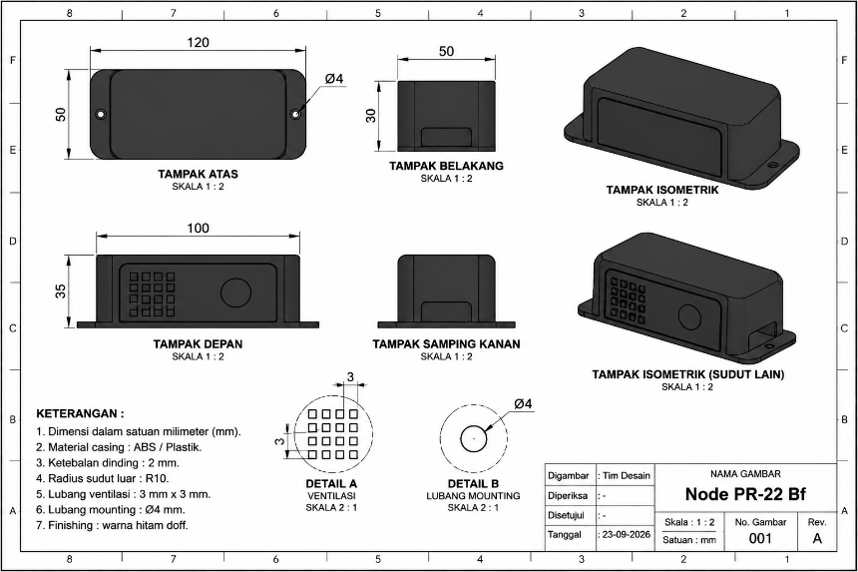
The increasing implementation of Internet of Things (IoT)-based security monitoring systems requires high communication reliability to ensure continuous and accurate data transmission. However, connectivity failures caused by electronic component degradation, communication instability, and device design limitations remain significant challenges that can reduce system performance. This study aims to analyze the root causes of connectivity failures and develop reliability improvement strategies for IoT-based security monitoring devices using an integrated Fault Tree Analysis (FTA) and Failure Mode and Effect Analysis (FMEA) approach. The research was conducted on the Alarm Node-PR22 device at PT Eyro Digital Teknologi using failure data collected from October 2024 to March 2025. A total of 66 failures were identified from 500 installed devices, consisting of 3.3V Power IC failure, internal antenna failure, total device failure, and SIM800 module overheating. The FTA method was applied to identify failure pathways and determine basic causes, while FMEA was used to evaluate risk priorities based on severity, occurrence, and detection parameters. The results showed that 3.3V Power IC failure was the dominant failure mode with a total Risk Priority Number (RPN) of 1390, followed by total device failure (1328), SIM800 overheating (1198), and internal antenna failure (902). The highest individual risk factors were permanent IC silicon layer damage and PCB short circuit caused by solder bridging, both with an RPN value of 648. Based on these findings, improvement strategies were proposed, including component replacement, maintenance improvement, ESD protection implementation, casing redesign, and PCB layout optimization. The integration of FTA and FMEA provides an effective reliability analysis framework for identifying failure mechanisms and improving the operational reliability of IoT-based security monitoring devices.
Keywords
Article Details

This work is licensed under a Creative Commons Attribution 4.0 International License.
References
- Al-Turjman, F., & Al-Fagih, A. (2020). A survey on Internet of Things communication and networking technologies. Future Generation Computer Systems, 106, 1–14.
- Ali, S., Raza, M., & Khan, S. (2020). Energy-efficient communication in GSM-based IoT systems. International Journal of Wireless Communications and Mobile Computing, 8(1), 1–10.
- Alhamda, W. S., Noviyarsi, Y. M., Muchtiar, & Setiawati, L. (2023). Analysis of the causes of scattered ink in the notepad production process using Fault Tree Analysis (FTA) and Failure Mode and Effect Analysis (FMEA). Journal of Industrial Engineering, 9(1), 41–50.
- Ammar, M., Russello, G., & Crispo, B. (2021). Internet of Things: A survey on the security of IoT frameworks. Journal of Information Security and Applications, 38, 8–27.
- Anwar, S., Ulum, R. B., & Widarman, A. (2023). Quality control analysis using FTA (Fault Tree Analysis) and FMEA (Failure Mode and Effect Analysis) methods in the production process of self-adhesive excise tape. Multidisciplinary Scientific Journal, 2(4), 114–128.
- Aulawi, H., Kurniawan, W. A., & Sopian, S. (2022). Failure risk analysis of production process using FTA, FMEA, and AHP methods. Calibration Journal, 20(2), 102–112.
- Ferrag, M. A., Shu, L., Yang, X., Derhab, A., & Maglaras, L. (2020). Security and privacy for IoT systems: Challenges and solutions. IEEE Access, 8, 70697–70716.
- Hanif, R. Y., Rukmi, H. S., & Susanty, S. (2021). Improving product quality using Failure Mode and Effect Analysis (FMEA) and Fault Tree Analysis (FTA). Reka Integra, 3(3), 1–10.
- Hendra, F., Mohammad, R., Amrin, A., Maarop, N., & Zagloel, T. Y. (2024). Systematic literature review of risk assessment techniques, standard and guidelines for railway. International Journal of Technology, 15(4), 1148-1161.
- Hendra, F., Mohammad, R., & Amrin, A. (2021). The Risk Priority Number (RPN) At A Level Crossings Along The Railway Line In Indonesia. In The 2nd International Professional Doctorate and Postgraduate Symposium Universiti Teknologi Malaysia, 25th September 2021 (p. 170).
- Kabir, S. (2021). An overview of Fault Tree Analysis and its application in risk assessment. International Journal of Reliability, Quality and Safety Engineering, 28(1), 2150005.
- Liu, H. C., Liu, L., & Liu, N. (2020). Risk evaluation approaches in Failure Mode and Effects Analysis with extended methods: A review. Journal of Loss Prevention in the Process Industries, 63, 104030.
- Mekki, K., Bajic, E., Chaxel, F., & Meyer, F. (2019). A comparative study of LPWAN technologies for large-scale IoT deployment. ICT Express, 5(1), 1–7.
- Muhdor, H., Abdillah, H., & Sidik, M. (2023). Analysis of lathe machine maintenance with Fault Tree Analysis (FTA) and Failure Mode and Effect Analysis (FMEA). Journal of Vocational Education and Automotive Technology, 5(2), 174–183.
- Nabila, B. N., Dahda, S. S., & Priyana, E. D. (2025). Application of Failure Mode and Effect Analysis (FMEA) and Fault Tree Analysis (FTA) on production machines for reliability improvement. Journal of Applied Industrial Technology and Management, 4(4), 1613–1623.
- Nayoga, T. G., & Mukhtar, M. N. A. (2024). Defect analysis of laminated door products using Failure Mode and Effect Analysis (FMEA) and Fault Tree Analysis (FTA) methods. PROFISIENSI: Journal of Industrial Engineering Study Program, 12(2), 114–127.
- Nur, M., & Aulia, Y. P. (2024). Integration of FMEA and FTA methods in workplace accident risk mitigation strategy. Journal of Applied Industrial Technology and Management, 3(4), 393–404.
- Putra, A. R., & Rahman, F. (2020). Analysis of network connectivity and latency in Internet of Things (IoT) systems. Journal of Information Technology and Computer Science, 7(4), 705–714.
- Ridwan, W., Widiastuti, R., & Nurhayati, E. (2023). Analysis of oil palm seed quality control using Fault Tree Analysis (FTA) and Failure Mode Effect Analysis (FMEA). Journal of Industrial Engineering, 9(1), 24–30.
- Ruspendi, R., Rusmalah, R., Hendra, F., & Effendi, R. (2025). Mitigating operational risks and enhancing machine performance through total productive maintenance and OEE: a case study on packaging equipment. Jurnal Polimesin, 23(5), 684-689.
- Santoso, H., & Wibowo, A. (2020). Implementation of Internet of Things system for MQTT-based environmental monitoring. Journal of Information and Computer Technology, 8(2), 95–102.
- Sari, D. P., Fitria, L., & Hadi, A. (2022). Study of 2G network usage in industrial IoT systems in Indonesia. Journal of Computer Technology and Systems, 10(3), 181–188.
- Sethi, P., & Sarangi, S. R. (2021). Internet of Things: Architectures, protocols, and applications. Journal of Electrical and Computer Engineering, 2021, 1–25.
- Sicari, S., Rizzardi, A., Grieco, L. A., & Coen-Porisini, A. (2021). Security, privacy and trust in Internet of Things: The road ahead. Computer Networks, 181, 107538.
- Xu, L. D., He, W., & Li, S. (2021). Internet of Things in industries: A survey. IEEE Transactions on Industrial Informatics, 17(6), 3834–3843.
- Zio, E. (2021). Reliability engineering: Challenges and opportunities in the digital era. Reliability Engineering & System Safety, 211, 107583.
References
Al-Turjman, F., & Al-Fagih, A. (2020). A survey on Internet of Things communication and networking technologies. Future Generation Computer Systems, 106, 1–14.
Ali, S., Raza, M., & Khan, S. (2020). Energy-efficient communication in GSM-based IoT systems. International Journal of Wireless Communications and Mobile Computing, 8(1), 1–10.
Alhamda, W. S., Noviyarsi, Y. M., Muchtiar, & Setiawati, L. (2023). Analysis of the causes of scattered ink in the notepad production process using Fault Tree Analysis (FTA) and Failure Mode and Effect Analysis (FMEA). Journal of Industrial Engineering, 9(1), 41–50.
Ammar, M., Russello, G., & Crispo, B. (2021). Internet of Things: A survey on the security of IoT frameworks. Journal of Information Security and Applications, 38, 8–27.
Anwar, S., Ulum, R. B., & Widarman, A. (2023). Quality control analysis using FTA (Fault Tree Analysis) and FMEA (Failure Mode and Effect Analysis) methods in the production process of self-adhesive excise tape. Multidisciplinary Scientific Journal, 2(4), 114–128.
Aulawi, H., Kurniawan, W. A., & Sopian, S. (2022). Failure risk analysis of production process using FTA, FMEA, and AHP methods. Calibration Journal, 20(2), 102–112.
Ferrag, M. A., Shu, L., Yang, X., Derhab, A., & Maglaras, L. (2020). Security and privacy for IoT systems: Challenges and solutions. IEEE Access, 8, 70697–70716.
Hanif, R. Y., Rukmi, H. S., & Susanty, S. (2021). Improving product quality using Failure Mode and Effect Analysis (FMEA) and Fault Tree Analysis (FTA). Reka Integra, 3(3), 1–10.
Hendra, F., Mohammad, R., Amrin, A., Maarop, N., & Zagloel, T. Y. (2024). Systematic literature review of risk assessment techniques, standard and guidelines for railway. International Journal of Technology, 15(4), 1148-1161.
Hendra, F., Mohammad, R., & Amrin, A. (2021). The Risk Priority Number (RPN) At A Level Crossings Along The Railway Line In Indonesia. In The 2nd International Professional Doctorate and Postgraduate Symposium Universiti Teknologi Malaysia, 25th September 2021 (p. 170).
Kabir, S. (2021). An overview of Fault Tree Analysis and its application in risk assessment. International Journal of Reliability, Quality and Safety Engineering, 28(1), 2150005.
Liu, H. C., Liu, L., & Liu, N. (2020). Risk evaluation approaches in Failure Mode and Effects Analysis with extended methods: A review. Journal of Loss Prevention in the Process Industries, 63, 104030.
Mekki, K., Bajic, E., Chaxel, F., & Meyer, F. (2019). A comparative study of LPWAN technologies for large-scale IoT deployment. ICT Express, 5(1), 1–7.
Muhdor, H., Abdillah, H., & Sidik, M. (2023). Analysis of lathe machine maintenance with Fault Tree Analysis (FTA) and Failure Mode and Effect Analysis (FMEA). Journal of Vocational Education and Automotive Technology, 5(2), 174–183.
Nabila, B. N., Dahda, S. S., & Priyana, E. D. (2025). Application of Failure Mode and Effect Analysis (FMEA) and Fault Tree Analysis (FTA) on production machines for reliability improvement. Journal of Applied Industrial Technology and Management, 4(4), 1613–1623.
Nayoga, T. G., & Mukhtar, M. N. A. (2024). Defect analysis of laminated door products using Failure Mode and Effect Analysis (FMEA) and Fault Tree Analysis (FTA) methods. PROFISIENSI: Journal of Industrial Engineering Study Program, 12(2), 114–127.
Nur, M., & Aulia, Y. P. (2024). Integration of FMEA and FTA methods in workplace accident risk mitigation strategy. Journal of Applied Industrial Technology and Management, 3(4), 393–404.
Putra, A. R., & Rahman, F. (2020). Analysis of network connectivity and latency in Internet of Things (IoT) systems. Journal of Information Technology and Computer Science, 7(4), 705–714.
Ridwan, W., Widiastuti, R., & Nurhayati, E. (2023). Analysis of oil palm seed quality control using Fault Tree Analysis (FTA) and Failure Mode Effect Analysis (FMEA). Journal of Industrial Engineering, 9(1), 24–30.
Ruspendi, R., Rusmalah, R., Hendra, F., & Effendi, R. (2025). Mitigating operational risks and enhancing machine performance through total productive maintenance and OEE: a case study on packaging equipment. Jurnal Polimesin, 23(5), 684-689.
Santoso, H., & Wibowo, A. (2020). Implementation of Internet of Things system for MQTT-based environmental monitoring. Journal of Information and Computer Technology, 8(2), 95–102.
Sari, D. P., Fitria, L., & Hadi, A. (2022). Study of 2G network usage in industrial IoT systems in Indonesia. Journal of Computer Technology and Systems, 10(3), 181–188.
Sethi, P., & Sarangi, S. R. (2021). Internet of Things: Architectures, protocols, and applications. Journal of Electrical and Computer Engineering, 2021, 1–25.
Sicari, S., Rizzardi, A., Grieco, L. A., & Coen-Porisini, A. (2021). Security, privacy and trust in Internet of Things: The road ahead. Computer Networks, 181, 107538.
Xu, L. D., He, W., & Li, S. (2021). Internet of Things in industries: A survey. IEEE Transactions on Industrial Informatics, 17(6), 3834–3843.
Zio, E. (2021). Reliability engineering: Challenges and opportunities in the digital era. Reliability Engineering & System Safety, 211, 107583.