Article Sidebar
Main Article Content
Abstract
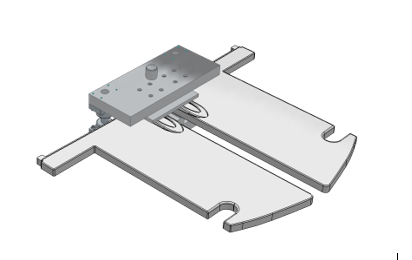
Proses pelubangan pada cover amrest plastik di PT. XYZ saat ini masih dilakukan secara manual menggunakan gerinda tangan sehingga berpotensi menimbulkan ketidakkonsistenan kualitas serta rendahnya produktivitas. Penelitian ini bertujuan merancang dan membuat dies plecing untuk meningkatkan presisi dan efisiensi proses pelubangan. Material cover armrest menggunakan plastik ABS dengan ketebalan 3 mm dan nilai shear strength sebesar 67 MPa. Perancangan dies dilakukan menggunakan perangkat lunak Autodesk Fusion 360, kemudian diproduksi menggunakan mesin CNC milling dan diuji mesin press berkapasitas 15 Ton. Hasil perhitungan menunjukkan kebutuhan gaya pelubangan sebesar 8,46 tonf untuk dua lubang. Pengujian menunjukkan bahwa dies piercing mampu menghasilkan lubang sesuai spesifikasi dimensi dan meningkatkan kapasitas produksi secara signifikan dari 90 set per shift pada proses manual menjadi 1.920 set per shift. Hasil penelitian menunjukkan bahwa penerapan dies piercing efektif meningkatkan presisi proses serta efisiensi produksi pada komponen cover armnest plastik.
Keywords
Article Details

This work is licensed under a Creative Commons Attribution 4.0 International License.
References
- [1] E. Rahman and V. Monandes, Penerapan SNI Produk Kelapa Sawit dan Turunannya dalam Mendukung Ekspor untuk Memperkuat Daya Saing Industri Nasional. 2021. [Online]. Available: https://media.neliti.com/media/publications/453583-none-49f9c837.pdf#page=39
- [2] S. Aritonang and R. Murniati, MATERIAL.
- [3] S. R. Saputra, A. S. Nurrohkayati, A. Nugroho, and H. T. Waloyo, “Pengaruh besar sudut potong mata pisau tipe flate terhadap hasil cacahan plastik pada mesin pencacah The significant impact of a flat-type blade ’ s cutting angle on a plastic- chopping machine ’ s output,” vol. 10, pp. 30–37, 2023, doi: 10.37373/tekno.v10i1.252.
- [4] Hilman Sholih, Wisnu Pracoyo, and Teguh Supriyanto, “Perawatan Dies Nomor Produksi 1177 (a) Pada Mesin Press Aida 75 Ton Di Pt. X,” JTTM J. Terap. Tek. Mesin, vol. 1, no. 2, pp. 67–74, 2020, doi: 10.37373/msn.v1i2.51.
- [5] I. M. Asyrofi, W. T. Putra, and Y. Winardi, “Pengaruh campuran plastik waste LDPE dan PET bermatrik resin polyester terhadap kekuatan tarik dan struktur mikro The effect of mixed LDPE and PET waste plastic polyester resin matric against tensile strength and microstructure,” vol. 10, pp. 51–58, 2023.
- [6] M. F. Fachreza, “Tensile strength analysis of polyester resin composites using coconut fiber,” vol. 7, no. 1, pp. 1–8, 2026.
- [7] W. Wilarso, Asep Saepudin, Asep Dharmanto, and Muhammad Ilham Alhabsyie, “Pelatihan K3 di SMK 1 Muhammadiyah Cileungsi, Bogor, Jawa Barat,” J. Abdimas Serawai, vol. 4, no. 1, pp. 1–8, 2024, doi: 10.36085/jams.v4i1.6082.
- [8] Muhammad Andi Rivaldi, Wiku Larutama, and Pebi Yuda Pratama, “Analisis Pengendalian Kualitas Proses Produksi Percetakan dengan Pendekatan Metode Lean Six-Sigma untuk Efisiensi,” Jural Ris. Rumpun Ilmu Tek., vol. 4, no. 3, pp. 76–91, 2025, doi: 10.55606/jurritek.v4i3.6385.
- [9] A. G. Suryawanshi, M. Jai, and Y. B. Joshi, “Design and Modification of Piercing Die To Increase Tool Life and Productivity,” Novat. Publ. Int. J. Res. Publ. Eng. Technol., vol. 3, no. 7, pp. 2454–7875, 2017, [Online]. Available: www.oerlikon.com]
- [10] M. I. Badranaya, R. R. Ulya, P. Kusdiyarto, and S. Sutopo, “Studi Evaluatif Terhadap Desain Mesin Perajang Pisang untuk Optimasi Ketebalan Rajangan dan Kapasitas Produksi,” J. Inov., vol. 8, no. 1, pp. 34–39, 2025, doi: 10.37338/inovator.v8i1.474.
- [11] Z. Lun et al., “Effects of die type on mechanical performance and failure behaviors of self-piercing riveting joints in AA5052,” J. Mater. Res. Technol., vol. 35, no. February, pp. 4819–4832, 2025, doi: 10.1016/j.jmrt.2025.01.243.
- [12] F. Hong, L. Tendera, C. Myant, and D. Boyle, “Vacuum-Formed 3D Printed Electronics: Fabrication of Thin, Rigid and Free-Form Interactive Surfaces,” SN Comput. Sci., vol. 3, no. 4, pp. 1–12, 2022, doi: 10.1007/s42979-022-01174-1.
- [13] F. Sabah, A. Wahid, A. Kartouni, H. Chakir, and M. ELghorba, “Failure analysis of acrylonitrile butadiene styrene (ABS) materials and damage modeling by fracture,” Int. J. Performability Eng., vol. 15, no. 9, pp. 2285–2293, 2019, doi: 10.23940/ijpe.19.09.p1.22852293.
- [14] M. Patel, M. Gausa, M. Shaikh, M. Ali, and M. Kaif, “Determination of Mechanical Properties of Abs Plastic Material Used in Automobile Bumper,” Int. J. Res. Publ. Rev. J. homepage www.ijrpr.com, vol. 3, no. 5, pp. 3430–3434, 2022, [Online]. Available: www.ijrpr.com
- [15] L. Zhan et al., “Recent advances on magnesium alloys for automotive cabin components: Materials, applications, and challenges,” J. Mater. Res. Technol., vol. 36, no. March, pp. 9924–9961, 2025, doi: 10.1016/j.jmrt.2025.05.105.
References
[1] E. Rahman and V. Monandes, Penerapan SNI Produk Kelapa Sawit dan Turunannya dalam Mendukung Ekspor untuk Memperkuat Daya Saing Industri Nasional. 2021. [Online]. Available: https://media.neliti.com/media/publications/453583-none-49f9c837.pdf#page=39
[2] S. Aritonang and R. Murniati, MATERIAL.
[3] S. R. Saputra, A. S. Nurrohkayati, A. Nugroho, and H. T. Waloyo, “Pengaruh besar sudut potong mata pisau tipe flate terhadap hasil cacahan plastik pada mesin pencacah The significant impact of a flat-type blade ’ s cutting angle on a plastic- chopping machine ’ s output,” vol. 10, pp. 30–37, 2023, doi: 10.37373/tekno.v10i1.252.
[4] Hilman Sholih, Wisnu Pracoyo, and Teguh Supriyanto, “Perawatan Dies Nomor Produksi 1177 (a) Pada Mesin Press Aida 75 Ton Di Pt. X,” JTTM J. Terap. Tek. Mesin, vol. 1, no. 2, pp. 67–74, 2020, doi: 10.37373/msn.v1i2.51.
[5] I. M. Asyrofi, W. T. Putra, and Y. Winardi, “Pengaruh campuran plastik waste LDPE dan PET bermatrik resin polyester terhadap kekuatan tarik dan struktur mikro The effect of mixed LDPE and PET waste plastic polyester resin matric against tensile strength and microstructure,” vol. 10, pp. 51–58, 2023.
[6] M. F. Fachreza, “Tensile strength analysis of polyester resin composites using coconut fiber,” vol. 7, no. 1, pp. 1–8, 2026.
[7] W. Wilarso, Asep Saepudin, Asep Dharmanto, and Muhammad Ilham Alhabsyie, “Pelatihan K3 di SMK 1 Muhammadiyah Cileungsi, Bogor, Jawa Barat,” J. Abdimas Serawai, vol. 4, no. 1, pp. 1–8, 2024, doi: 10.36085/jams.v4i1.6082.
[8] Muhammad Andi Rivaldi, Wiku Larutama, and Pebi Yuda Pratama, “Analisis Pengendalian Kualitas Proses Produksi Percetakan dengan Pendekatan Metode Lean Six-Sigma untuk Efisiensi,” Jural Ris. Rumpun Ilmu Tek., vol. 4, no. 3, pp. 76–91, 2025, doi: 10.55606/jurritek.v4i3.6385.
[9] A. G. Suryawanshi, M. Jai, and Y. B. Joshi, “Design and Modification of Piercing Die To Increase Tool Life and Productivity,” Novat. Publ. Int. J. Res. Publ. Eng. Technol., vol. 3, no. 7, pp. 2454–7875, 2017, [Online]. Available: www.oerlikon.com]
[10] M. I. Badranaya, R. R. Ulya, P. Kusdiyarto, and S. Sutopo, “Studi Evaluatif Terhadap Desain Mesin Perajang Pisang untuk Optimasi Ketebalan Rajangan dan Kapasitas Produksi,” J. Inov., vol. 8, no. 1, pp. 34–39, 2025, doi: 10.37338/inovator.v8i1.474.
[11] Z. Lun et al., “Effects of die type on mechanical performance and failure behaviors of self-piercing riveting joints in AA5052,” J. Mater. Res. Technol., vol. 35, no. February, pp. 4819–4832, 2025, doi: 10.1016/j.jmrt.2025.01.243.
[12] F. Hong, L. Tendera, C. Myant, and D. Boyle, “Vacuum-Formed 3D Printed Electronics: Fabrication of Thin, Rigid and Free-Form Interactive Surfaces,” SN Comput. Sci., vol. 3, no. 4, pp. 1–12, 2022, doi: 10.1007/s42979-022-01174-1.
[13] F. Sabah, A. Wahid, A. Kartouni, H. Chakir, and M. ELghorba, “Failure analysis of acrylonitrile butadiene styrene (ABS) materials and damage modeling by fracture,” Int. J. Performability Eng., vol. 15, no. 9, pp. 2285–2293, 2019, doi: 10.23940/ijpe.19.09.p1.22852293.
[14] M. Patel, M. Gausa, M. Shaikh, M. Ali, and M. Kaif, “Determination of Mechanical Properties of Abs Plastic Material Used in Automobile Bumper,” Int. J. Res. Publ. Rev. J. homepage www.ijrpr.com, vol. 3, no. 5, pp. 3430–3434, 2022, [Online]. Available: www.ijrpr.com
[15] L. Zhan et al., “Recent advances on magnesium alloys for automotive cabin components: Materials, applications, and challenges,” J. Mater. Res. Technol., vol. 36, no. March, pp. 9924–9961, 2025, doi: 10.1016/j.jmrt.2025.05.105.