Article Sidebar
Main Article Content
Abstract
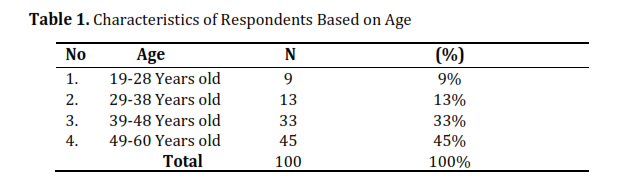
Chronic kidney failure is a clinical syndrome caused by various chronic kidney diseases, characterized by imbalanced water, electrolyte and acid-base metabolism. Hemodialysis separates uremic substances from blood through a semipermeable membrane in an artificial kidney called a dialyzer. Adherence refers to an individual's behavior in following treatment rules, guidelines, and discipline, including medication compliance, dietary recommendations, and lifestyle changes as recommended by treatment and health advice. This study analyzes adherence levels among adult patients with chronic kidney failure undergoing hemodialysis therapy at Dr. Moewardi General Hospital, Surakarta. This analytic-observational quantitative study used cross-sectional methods with prospective purposive sampling. Data collection used closed questionnaires from February to March 2025. Results demonstrated that the majority of patients were 40-60 years old, male, with a high school education, with a hemodialysis duration of 1-5 years, and who relied on hospital-set schedules. Analysis revealed relationships between adherence and patient profiles, including age, educational level, and duration of hemodialysis
Article Details

This work is licensed under a Creative Commons Attribution 4.0 International License.